
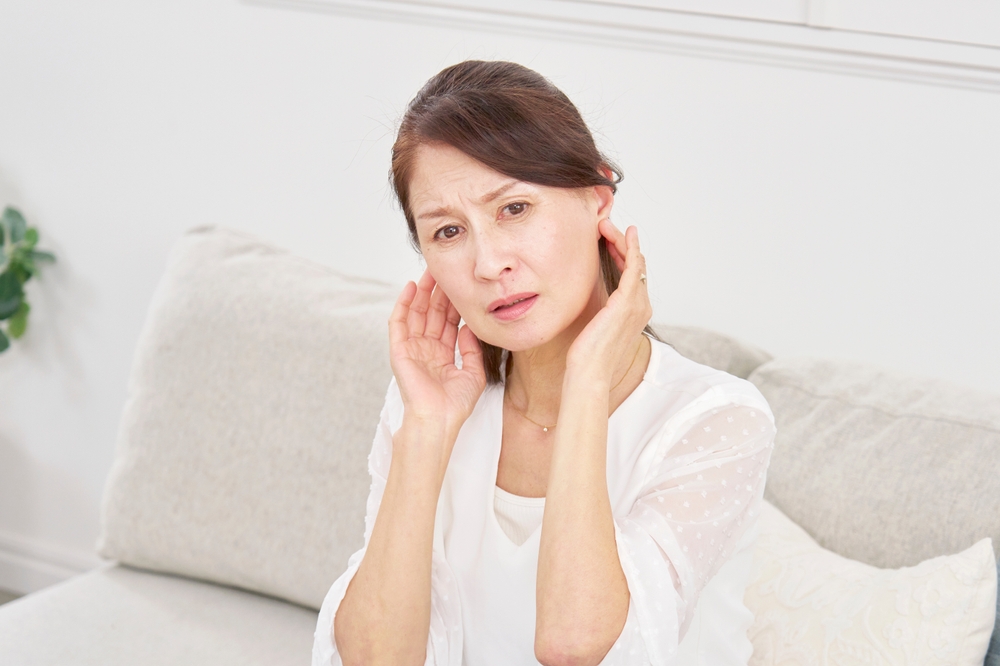
Starting your day only to find your hearing has disappeared creates an instant sense of dread. The experience of losing hearing instantly, particularly in the lack of pain, is inherently distressing. While simple blockages are common, more serious auditory conditions require a swift medical assessment.
Analyzing the typical reasons behind sudden deafness and identifying the right time for help is vital for your prognosis. Below, we’re looking at sudden hearing loss, possible causes, and how to access professional care.
What Is Sudden Hearing Loss?
Clinically, abrupt hearing loss is categorized as an increased reduction in auditory function spanning several hours to a limit of three days. It may affect one ear or, less frequently, both. Symptoms can range from perceiving muffled noise to experiencing tinnitus, a sensation of aural fullness, or compromised speech recognition.
Sudden Sensorineural Hearing Loss (SSHL)
Sudden sensorineural hearing loss is one of the most urgent causes to evaluate.
This auditory issue arises from irregularity within the inner ear, the auditory nerve, or the brain’s processing centers. The origin is often idiopathic, though medical professionals identify several likely contributing elements:
- Decreased blood flow within the cochlea
- Inflammation or immune response
- Underlying viral activity affecting the ear
- Neurological factors
Due to the fact that early therapy can restore hearing function, SSHL is always treated as an immediate medical priority.
Infection-Based Auditory Loss
Viral activity often leads to inflammation in the auditory canal, resulting in major auditory changes.
Viruses associated with abrupt auditory shifts include:
- Typical respiratory tract infections
- The seasonal flu virus
- The herpes simplex or zoster strains
- Secondary hearing effects following a COVID-19 infection
Sudden deafness can align with viral symptoms, frequently appearing with vertigo or a feeling of congestion.
Traumatic Triggers for Hearing Change
Direct impact to the skull, swift shifts in ambient pressure, or severe sound blasts can harm the ear’s internal mechanisms.
Physical damage from injury often stems from:
- Head injuries or concussions
- Acoustic or atmospheric barotrauma
- High-decibel acoustic trauma
- Fluid leaks or shifts within the labyrinth
Don’t dismiss minor trauma, as fast hearing changes post-injury often signal underlying damage.
Impacted Cerumen and Hearing Blockage
While less serious than inner ear causes, impacted earwax can still cause sudden hearing changes.
Symptoms of blocked wax typically:
- Occur nearly immediately
- Create a distinct sensation of aural congestion
- Show a distinct unilateral bias
- Resolve once the blockage is professionally removed
Crucially, a self-diagnosis at home cannot properly differentiate between a simple blockage and a nerve-related crisis. That’s why clinical testing is critical.
Other Possible Causes of Sudden Hearing Loss
The following conditions are also recognized as potential sources of sudden hearing decline:
- Ototoxic drug reactions
- Vascular health issues impacting the ear
- Immune-mediated inner ear disease
- Benign growths impacting the auditory nerve
A thorough hearing evaluation helps rule out these possibilities.
The Time-Sensitive Nature of Treating Hearing Loss
The most important messages around sudden hearing loss is don’t wait and see.
Immediate diagnostic testing serves to:
- Uncover treatable factors behind the hearing decline
- Increase the likelihood that treatment will recover hearing
- Stop further hearing damage
- Decrease the likelihood of facing permanent communication issues
Hearing assessment plays a key role in determining the type and severity of hearing loss and guiding next steps.
When Rapid Hearing Changes Require an Immediate Call
Immediate clinical attention is required if any of the following symptoms manifest:
- An abrupt inability to hear properly in either ear
- Auditory loss with dizziness or imbalance
- Abrupt auditory buzzing or a feeling of blockage
- Loss of hearing that manifests after a health crisis or head impact
Partial recovery of sound does not eliminate the need for a thorough clinical investigation.
Hearing Testing for Quick Answers
A professional test provides an immediate answer as to if the impairment is:
- Conductive in nature, often caused by mechanical obstructions
- A sensorineural problem involving fragile neural pathways
- A transient condition or a lasting auditory change
The sooner testing occurs, the more likely you are to achieve a positive clinical outcome.
Prioritizing Your Auditory Health and Peace of Mind
Abrupt hearing changes are naturally frightening, yet prompt action is your best path toward restoration.
If you notice an unexpected change in your hearing, getting a professional evaluation can protect your auditory wellness and your peace of mind. Our expert staff is ready to assist you: Please contact our clinic immediately for an emergency assessment.